Skip to content

One vegetable. A whole website.

Silverbeet

Beautiful in the garden bed. Superb on the plate.

Silverbeet (Beta vulgaris var. cicla) is easy to grow, rich in nutrients, and endlessly versatile in the kitchen. Here you'll find everything from seed to finished dinner.

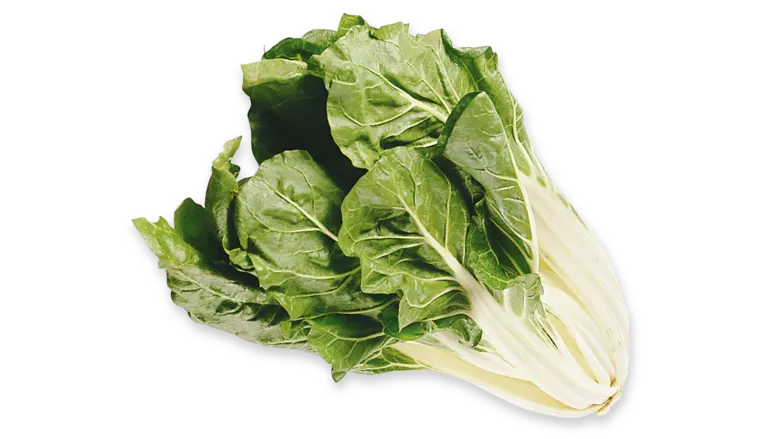
Beta vulgaris var. cicla, silverbeet with white stems

Did you know?

  • A 100g serving of silverbeet provides over 1000% of the EU reference value (NRV) for Vitamin K.
  • It thrives in both spring and autumn and tolerates light frost.
  • The colourful stems of Rainbow Chard are edible and mildly sweet.
  • Ancient Romans prized it as a medicinal plant for headaches and fevers.
  • It is botanically the same species as beetroot and sugar beet.

Right now in the silverbeet year

Early summer

June

Growing

What to do

  • Thin
  • Mulch
  • Water

Plants establish quickly and grow fast. Thin where you sowed densely, and use the small leaves in salads. Lay down straw or grass clippings as mulch to retain moisture. Steady watering matters more than volume; 2.5 cm per week is a good rule.

Tip

Pinch off baby leaves regularly, even when you do not need them. It keeps the plant producing leaves rather than going to seed.

See the whole year →

The Family

Silverbeet isn't alone.

It shares its species with beetroot, sugar beet, and fodder beet. Same plant, bred for different parts.

  • Silverbeet
  • Beetroot
  • Sugar beet
  • Fodder beet
See the family →
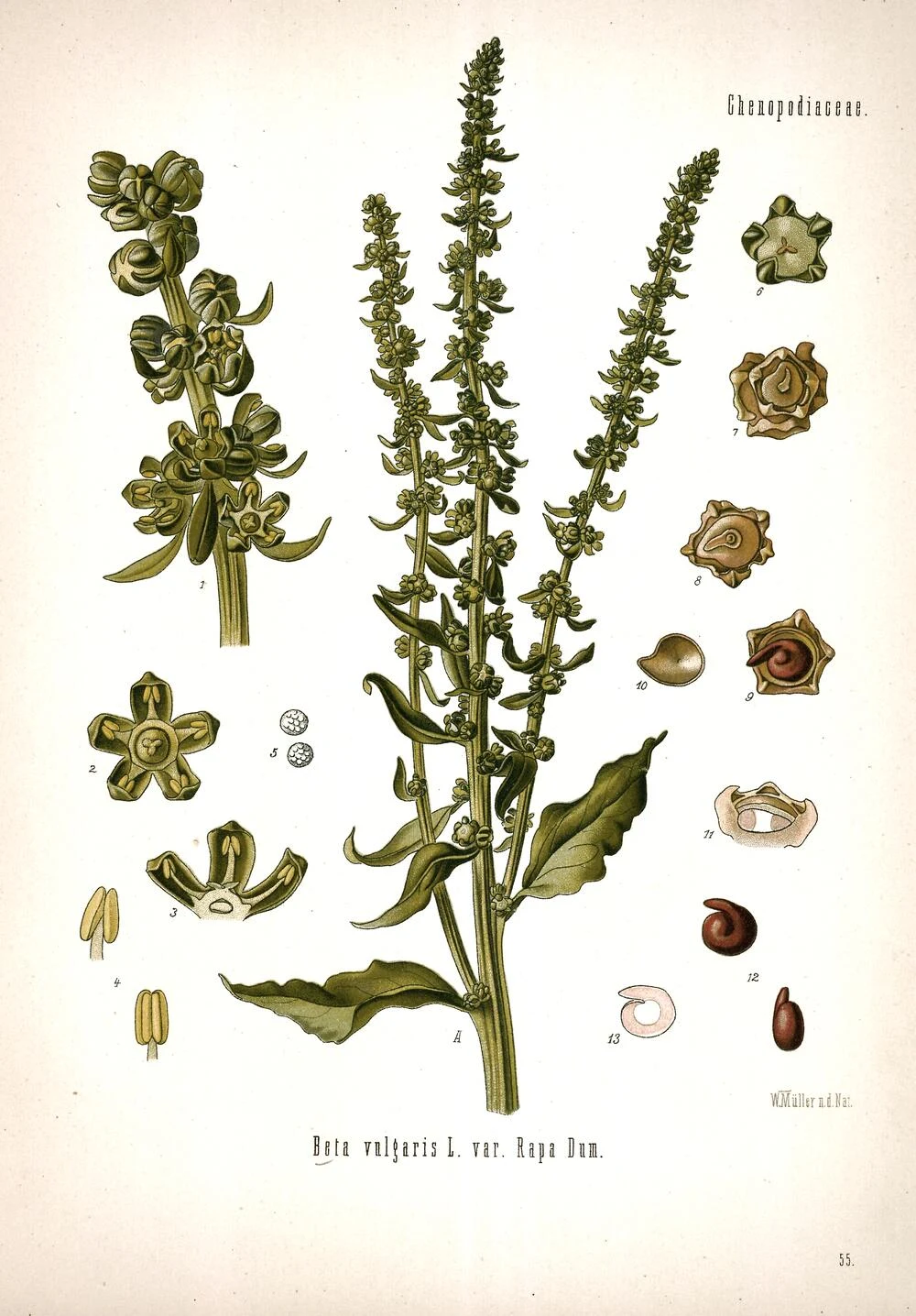
Beta vulgaris, the species silverbeet, beetroot and sugar beet all belong to. Botanical plate from Köhler's Medizinal-Pflanzen, 1887.
Beta vulgaris, the species silverbeet, beetroot and sugar beet all belong to. Botanical plate from Köhler's Medizinal-Pflanzen, 1887.F. E. Köhler, Medizinal-Pflanzen (1887)Public domain
Same plant, bred into entirely different crops.

Nutrition

Packed with Vitamins K, A, and C. Discover exactly what you get per 100g.

Explore nutrition →

Varieties

From Ruby Chard to Rainbow Chard, five varieties worth knowing.

See varieties →

Growing

Step-by-step guide to planting, watering, and harvesting your own silverbeet.

Start growing →

Recipes

Sixteen simple recipes to make the most of your harvest, from frittata to dal.

Cook something →

Storage

Seven ways to keep silverbeet usable from August through April: fridge, freezer, ferment, dry, pickle.

Preserve the harvest →

Comparison

How does silverbeet stack up against spinach, kale, and beet greens? Honest answers.

See the comparison →

Three things you might not know

Three glimpses of a vegetable that's been on Roman dinner tables, in Charlemagne's gardens, and in your kitchen garden.

Heritage variety

The 'Fordhook Giant' you can still buy today was first sold in 1924.

W. Atlee Burpee & Co. introduced the cultivar from their experimental farm in Pennsylvania over a century ago. It is one of the longest-lived vegetable varieties in continuous commercial cultivation, still chosen by gardeners who want a dependable, productive, full-flavoured chard.

300 BCE

Aristotle's colleague Theophrastus described chard around 300 BCE.

His Historia Plantarum is the oldest surviving systematic botany text in the Western tradition, and chard appears in it as an already-domesticated kitchen staple, not an exotic novelty. By Theophrastus' time the plant had been on the table for at least a thousand years.

Myth

Rainbow chard is genetically modified.

It is not. The market-standard 'Bright Lights' mix was selected by New Zealand amateur breeder John Eaton from heritage parent plants he found in a home garden in 1977, then refined by Johnny's Selected Seeds and released in 1998, where it won an All-America Selections award. No transgenic chard exists commercially. The colours are old.

Lexicon

The silverbeet lexicon, from A to Z

Forty-two short entries on the words you meet around silverbeet, from fruit cluster to chiffonade and oxalic acid, each tied to the plant you grow and eat.

Open the lexicon →

The Silverbeet Kitchen

From bed to table

Recipes, techniques, and seasonal collections that take you from freshly harvested leaves to dinner on the table. Start with a collection, or find tonight's dish.

Explore the kitchen

A celebration of Beta vulgaris var. cicla

Bladbete: informational website