Growing Guide
How to grow silverbeet at home
Silverbeet is one of the most rewarding vegetables you can grow yourself. It grows quickly, shrugs off frost, and keeps cropping for months from a tiny seed.

Best Seasons
Silverbeet tolerates light frost and can overwinter in mild climates. Avoid sowing during peak summer heat.
Planting
Sow seeds 2–3 cm deep, 30 cm apart in rows spaced 40 cm. Silverbeet prefers well-drained, fertile soil with a pH of 6.0–7.0. Work compost into the bed before sowing.
Watering
Keep soil consistently moist but not waterlogged. Deep watering once or twice a week is better than frequent shallow watering. Mulch around plants to retain moisture and suppress weeds.
Harvesting
Begin harvesting outer leaves when plants are 20–30 cm tall, about 8–10 weeks after sowing. Always leave the central growing tip intact. Plants will continue producing for many months.
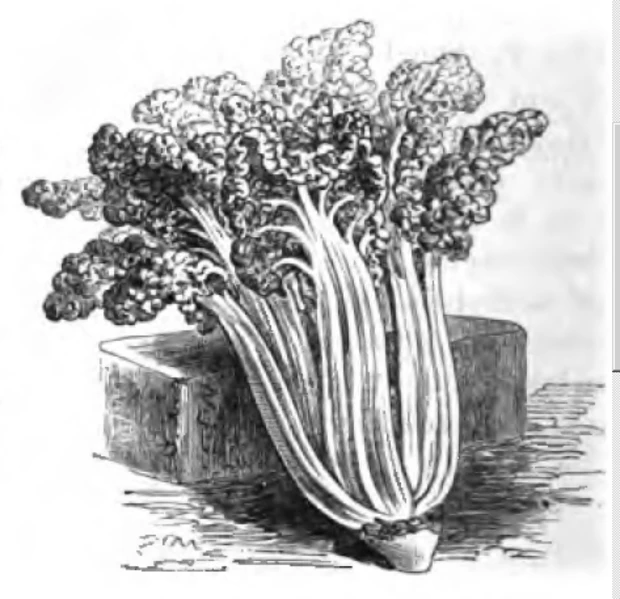
Pick the outer leaves, leave the growing heart, and the plant keeps producing for months.
Tips
- Pick in the morning for maximum crispness.
- Remove any flowers immediately, since bolting stops leaf production.
- Feed with a balanced liquid fertiliser every 4 weeks.
- Companion-plant with garlic or chives to deter aphids.
Something wrong with your plant?
Read the Pests & Diseases guide to diagnose common problems.
Pests & Diseases →